Mudavadi 2027 referendum proposal is already stirring debate across Kenya as political leaders and citizens weigh in on its potential impact. With the next general elections approaching, Prime Cabinet Secretary Musalia Mudavadi has suggested combining a national referendum with the 2027 polls, giving Kenyans a direct say in shaping the country’s constitutional future. This bold move has captured the attention of political analysts, civic leaders, and ordinary voters alike, sparking discussions on governance, citizen participation, and the role of the Constitution in Kenya’s democracy.
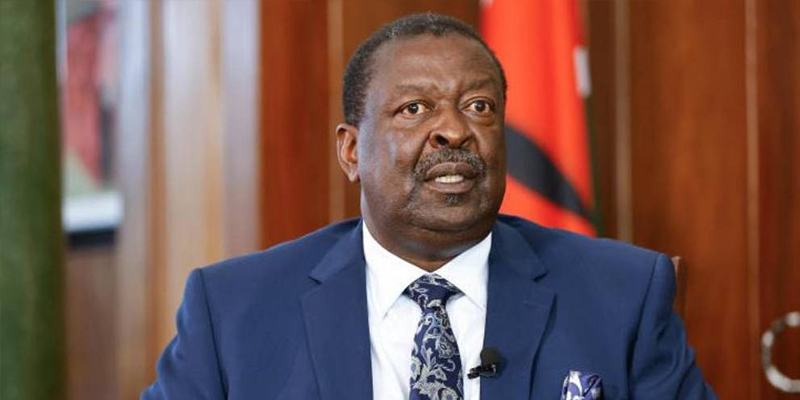
Mudavadi 2027 Referendum Proposal Explained
The Mudavadi 2027 referendum proposal has sparked nationwide discussions as Kenya approaches the next general elections. Prime Cabinet Secretary Musalia Mudavadi suggests that alongside voting for political leaders, citizens should also decide directly on constitutional reforms through a referendum. This approach aims to strengthen public participation and address long-standing governance challenges in Kenya.
What is the Mudavadi 2027 Referendum Proposal?
The proposal seeks to combine a national referendum with the 2027 general elections. Instead of holding a separate vote on constitutional matters, Mudavadi suggests that the referendum be conducted on the same day, saving costs and increasing voter turnout. This idea reflects a growing interest in giving citizens a direct voice on the country’s governance framework.
Learn more about Kenya’s 2010 Constitution.
Why This Referendum Matters for Kenya
The referendum aims to resolve unresolved constitutional issues. Its objectives include:
- Providing a constitutional anchor for the Constituency Development Fund (CDF).
- Clarifying the structure of public offices and governance mechanisms.
- Resolving debates on inclusivity, representation, and oversight.
By putting these issues directly to the people, it could reduce political gridlock and strengthen democratic processes.
Outbound link suggestion: Read more on Kenya’s electoral process.
Key Constitutional Issues
Some constitutional areas likely to be addressed include:
- Legal validation of the Constituency Development Fund (CDF).
- Recognition of official opposition roles.
- Senate oversight and accountability mechanisms.
These issues have faced delays in Parliament and courts, making the referendum a direct solution.
Public and Political Response
The referendum has received mixed reactions. Supporters argue it empowers citizens to directly shape governance, while critics worry about logistics and voter education. Many political leaders, however, see it as an opportunity to resolve long-standing constitutional debates.
Internal link suggestion: Check latest political news in Kenya.
Potential Impact on Governance
If successful, the referendum could:
- Strengthen citizen participation in decision-making.
- Reduce legal disputes over governance structures.
- Ensure transparency in public resource management.
Challenges Ahead
Challenges include:
- Ensuring voters understand complex constitutional questions.
- Coordinating logistics alongside high-stakes elections.
- Achieving political consensus on which reforms to include.
Careful planning, public engagement, and civic education will be essential for success.
Outbound link suggestion: Explore civic education resources.
The Future of the Proposal
Musalia Mudavadi has emphasized public consultations throughout 2026 to prepare citizens for the vote. The initiative represents a bold step toward deepening Kenya’s democracy and giving citizens a meaningful say in shaping government,
for more http://suleiman2blog.com