Israel–Somaliland Recognition in a move that has reshaped political debate across the Somali region and the Horn of Africa. The historic decision, announced in December 2025, makes Israel the first United Nations member state to officially recognize Somaliland as an independent country since it declared separation from Somalia in 1991. The announcement has triggered strong reactions among Somaliland leaders, the Federal Government of Somalia, and Somalis at home and in the diaspora, raising urgent questions about sovereignty, unity, and regional stability.
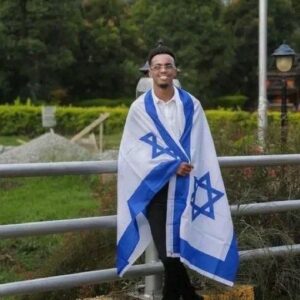
Background: Somaliland’s Long Road Since 1991
Somaliland, located in the northwestern part of Somalia, declared independence following the collapse of the Somali central government in 1991. Since then, it has operated with its own government, constitution, elections, security forces, and currency.
Many supporters of Somaliland argue that the region has demonstrated peace, stability, and democratic governance compared to the prolonged instability experienced in southern and central Somalia. However, successive Somali governments have maintained that Somaliland is an inseparable part of Somalia’s territory.
Israel’s recognition represents the most significant international development in Somaliland’s three-decade struggle for global acceptance.
Why Israel Recognized Somaliland
Israeli officials described the recognition as a diplomatic and strategic decision. Somaliland’s location along the Gulf of Aden, near vital global shipping routes, gives it major geopolitical importance.
The agreement between Israel and Somaliland reportedly includes cooperation in:
- Diplomacy and foreign relations
- Security and maritime safety
- Agriculture and water technology
- Health and innovation
Somaliland leaders welcomed the move, calling it a “historic breakthrough” and expressing hope that other countries would now reconsider their position.
Somalia’s Strong Response
The Federal Government of Somalia firmly rejected Israel’s decision, calling it a violation of Somalia’s sovereignty and territorial integrity. Mogadishu insists that no foreign state has the authority to recognize any part of Somalia as independent.
Somali officials warned that the move could:
- Undermine national unity
- Destabilize the Horn of Africa
- Set a dangerous precedent for separatist movements
The Somali government reaffirmed its commitment to defending Somalia’s borders through diplomatic and legal channels.
Reaction Among Somalis
Reactions among Somalis have been deeply divided.
In Somaliland
Many residents celebrated the recognition, viewing it as long-overdue international validation. For supporters, Israel’s move is proof that Somaliland’s quest for recognition is achievable.
In Somalia and the Diaspora
Others expressed anger and concern, arguing that recognition threatens Somali unity and ignores historical, cultural, and familial ties between Somaliland and the rest of Somalia.
Across social media and public forums, Somalis are debating whether this development brings opportunity or deepens division.
African and Regional Implications
African institutions have traditionally opposed changing borders inherited at independence. Israel’s recognition challenges this long-standing principle and places pressure on regional organizations to clarify their stance.
Many analysts believe African states will be cautious, fearing that recognition could encourage similar claims elsewhere on the continent.
What Happens Next?
So far, Israel stands alone in recognizing Somaliland. No major global power has followed suit. The future will likely depend on:
- Whether more countries recognize Somaliland
- How Somalia and Somaliland manage dialogue or confrontation
- The African Union’s response
- Regional security considerations
This moment could either open a new chapter of diplomacy or deepen political tensions in the Horn of Africa.
Israel’s recognition of Somaliland is a historic but highly controversial decision. For Somaliland, it is a diplomatic victory decades in the making. For Somalia, it is a challenge to sovereignty and national unity. For the Somali people, it is a moment that forces difficult conversations about identity, borders, and the future.
One thing is certain: this decision has reshaped the political conversation, and its consequences will be felt across the Somali region for years to come.
Final Thoughts: What Do Somalis Think?
Israel’s recognition of Somaliland has opened a new and difficult chapter in Somali politics. For some, it represents long-overdue international acknowledgment. For others, it raises serious concerns about Somali unity, sovereignty, and the future of the nation.
As Somalis at home and in the diaspora important questions remain:
- Do you believe Somaliland should be internationally recognized as an independent state?
- Does this decision strengthen Somaliland or weaken Somali unity?
- Should Somalia and Somaliland return to dialogue, or has the political path changed permanently?
- Will other countries follow Israel’s move, or will this recognition remain isolated?
The answers to these questions will shape the future of the Somali people for generations to come.
To better understand Africa’s long-standing position on borders and sovereignty, readers can also explore perspectives from continental institutions such as the African Union:
👉 https://au.int
💬 What is your view? Share your thoughts and join the conversation.suleiman2blog.com
maxaa kalehdhehe arinkas